Samson studio Liquid Swords is bankrupt, and the game's rights are up for sale with bids due Wednesday
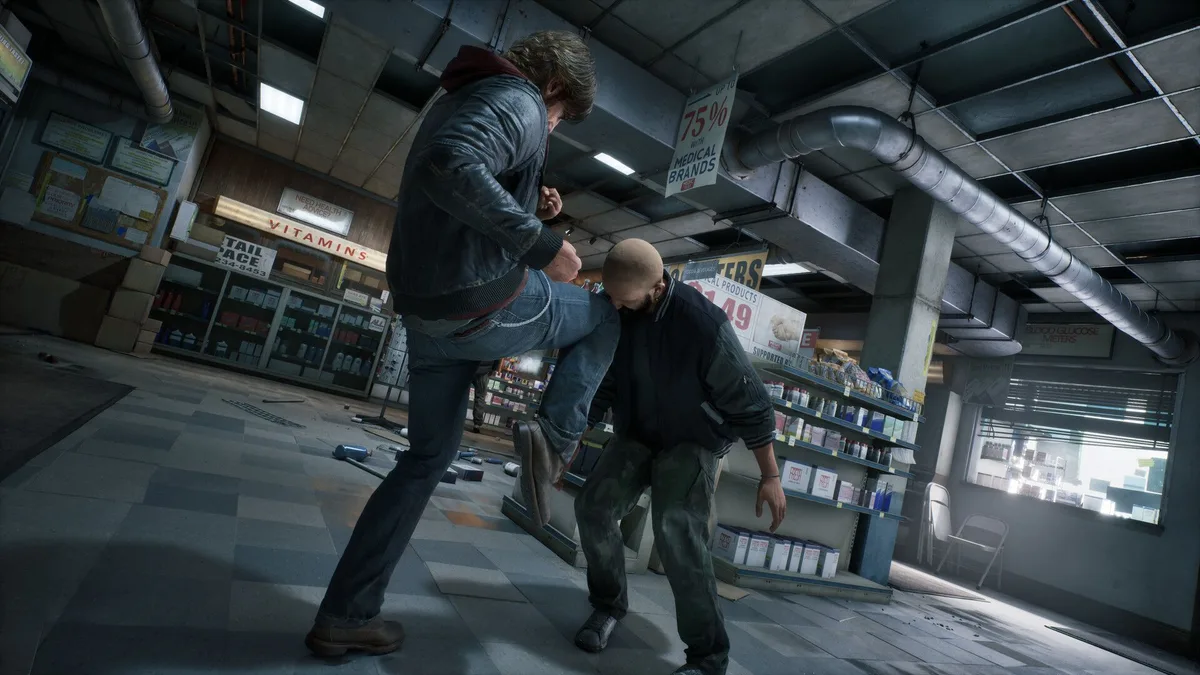
Liquid Swords, the Swedish studio behind Samson, has gone bankrupt just six months after its first game came out. Now the court-appointed trustee is trying to sell the studio’s game before the week is over.
What happened: The Stockholm District Court declared Liquid Swords AB bankrupt on October 12, 2026, and named lawyer Karl Björlin of Cirio as trustee, according to Cirio’s official notice. Swedish outlet Breakit reports that the roughly 30 staff had gone unpaid for at least two months, and that the employees themselves asked for the bankruptcy, PC Gamer reports. Their unpaid wages will now be covered by Sweden’s state wage guarantee, Eurogamer notes.
Samson is for sale. The trustee’s preliminary bidding documents are open to anyone and give some unusually specific numbers:
- Bids are due Wednesday. Written indicative bids are due by October 21 at 12:00 CEST (6 AM ET). The estate can also sell before then.
- What’s included: the Samson IP, source code, build tools, art, audio and documentation, plus trademarks such as “Liquid Swords,” “Criminal Justice” and “Tyndleston,” and domains such as thesamson.com.
- There’s a catch. NetEase holds security over many of the Samson assets, so a buyer will have to deal with NetEase. The Unreal Engine license isn’t part of the sale, and the 27 employees don’t transfer automatically.
- Sales so far: Samson has sold about 151,900 copies on PlayStation, Xbox and Steam, for net revenue of about SEK 24.1 million, as of October 14.
- Support continues for now. The estate says it will try to keep Samson’s support, patches and sales running during the bidding period.
How it got here: Liquid Swords was founded in 2020 by Christofer Sundberg, who co-founded Just Cause developer Avalanche Studios. Samson: A Tyndalston Story launched on PC on April 8 and on PS5 and Xbox Series X|S on September 21. PC Gamer says the studio had trouble finding a publisher, cut half its team last year and reworked the game into a run-based open-city crime game. It launched to mixed reviews and complaints about bugs and performance, and the studio was still patching it as recently as October 8.
PPR take: It’s a rough way for a team to go out. They shipped their game, kept fixing it, and then went months without pay. The bidding documents are an unusually honest look at how little a mid-sized, mixed-reception action game can earn. We hope whoever picks up Samson brings at least some of those 27 developers along with it.